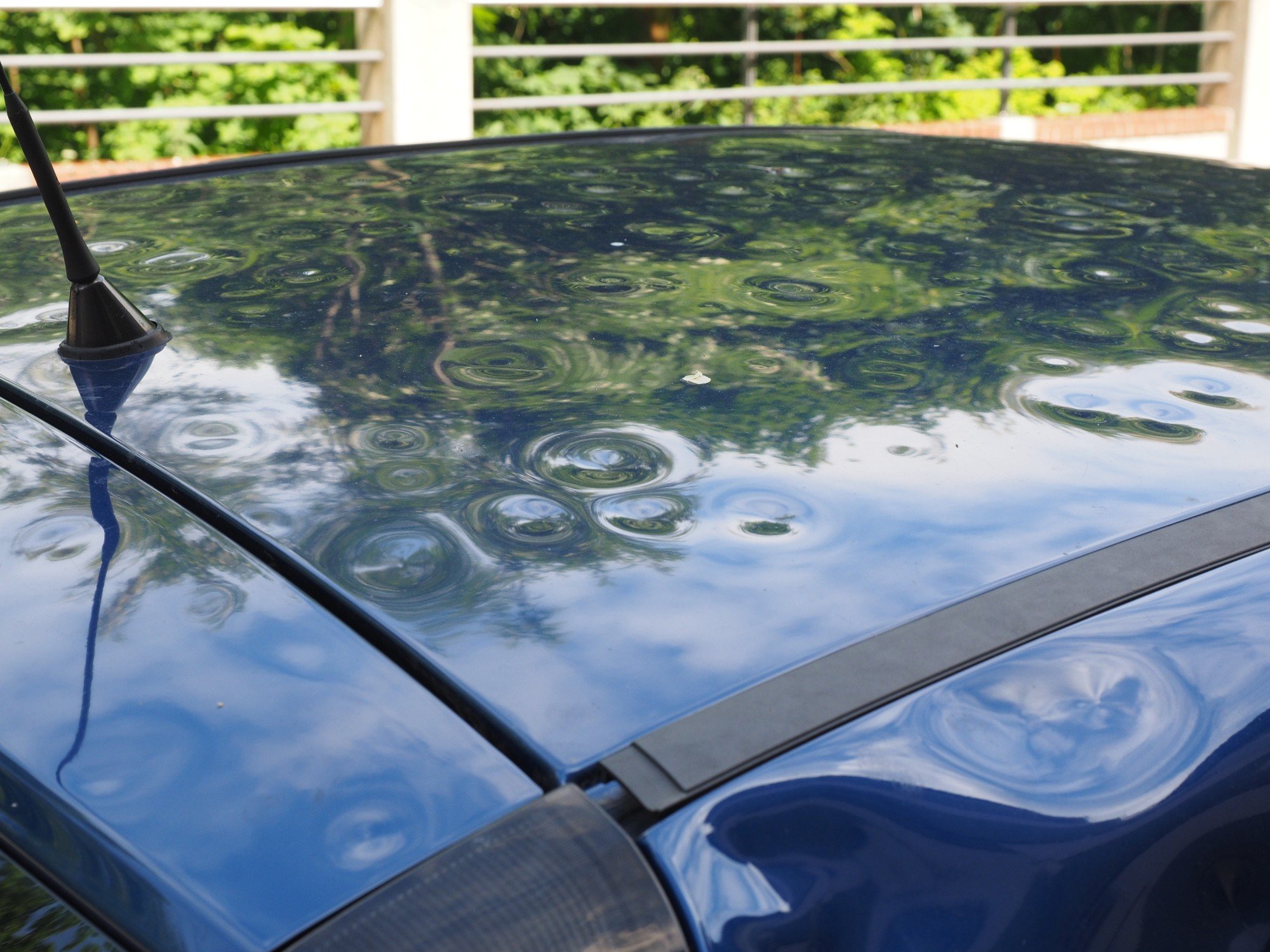
 Understanding the Hail Weather Forecast: A Comprehensive Guide
Hail is a type of severe weather phenomenon that occurs when updrafts in thunderstorms carry water droplets up into the freezing level of the atmosphere, where they freeze into small balls of ice. These hailstones can grow in size and weight as they are carried upward and downward through the storm cloud, potentially causing significant damage to property and crops. Accurate hail weather forecasting is crucial for individuals and communities to prepare for and mitigate the impact of hail storms. In this article, we will explore the hail weather forecast and provide tips on how to stay prepared.
1. Understanding the Hail Weather Forecast
The hail weather forecast is a key component of severe weather forecasting, and it is based on a combination of computer models, satellite imagery, and ground-based observations. Meteorologists use a variety of tools and techniques to predict the likelihood and intensity of hail storms, including:
* Computer models: These models use complex algorithms to analyze atmospheric conditions and predict the likelihood of hail storms.
* Satellite imagery: Satellites in orbit around the Earth can detect changes in cloud patterns and temperatures, which can indicate the presence of hail storms.
* Ground-based observations: Weather stations and radar systems can provide real-time data on atmospheric conditions and storm movement.
2. Hail Storm Warning Systems
Hail storm warning systems are designed to alert individuals and communities of impending hail storms. These systems typically consist of a network of weather stations and radar systems that monitor atmospheric conditions and detect the presence of hail storms. When a hail storm is detected, the system sends out an alert to emergency management officials, who can then notify the public through various channels, including:
* Sirens: Outdoor warning sirens can be sounded to alert the public of an impending hail storm.
* Cell phones: Wireless emergency alert systems can send text messages or voice messages to cell phones in the affected area.
* Radio and television: Local media outlets can broadcast information about the hail storm and provide updates on its progress.
3. Hail Storm Warning Criteria
Hail storm warning criteria are used to determine when a hail storm is likely to occur and to alert the public of the potential danger. These criteria typically include:
* Wind direction and speed: Wind direction and speed can indicate the direction and intensity of the hail storm.
* Cloud type and height: Cloud type and height can indicate the presence of hail storms and the potential for severe weather.
* Temperature and humidity: Temperature and humidity can indicate the presence of hail storms and the potential for severe weather.
4. Hail Storm Warning Levels
Hail storm warning levels are used to indicate the severity of the hail storm and the potential for damage. These levels typically include:
* Watch: A watch indicates that a hail storm is possible, but not imminent.
* Warning: A warning indicates that a hail storm is imminent and that damage is likely.
* Warning level 2: A warning level 2 indicates that the hail storm is severe and that damage is likely to be extensive.
5. Preparing for Hail Storms
Preparing for hail storms is crucial for minimizing damage and ensuring public safety. Here are some tips on how to prepare for hail storms:
* Know your risk: Understand the hail storm risk in your area and take steps to prepare accordingly.
* Have a plan: Develop a plan for what to do in the event of a hail storm, including where to seek shelter and how to stay informed.
* Stock up on supplies: Keep a supply of non-perishable food, water, and medications in case you are unable to leave your home.
* Secure outdoor items: Bring in or secure outdoor items, such as patio furniture and trash cans, to prevent damage or loss.
* Stay informed: Stay informed about the hail storm through local media outlets and official channels.
6. Responding to Hail Storms
Responding to hail storms is crucial for minimizing damage and ensuring public safety. Here are some tips on how to respond to hail storms:
* Seek shelter: Seek shelter in a sturdy building or other structure to protect yourself from the hail storm.
* Avoid windows and doors: Avoid windows and doors, as they can shatter and cause injury.
* Stay away from windows: Stay away from windows and doors, as they can shatter and cause injury.
* Avoid driving: Avoid driving during a hail storm, as the hail can cause damage to your vehicle and make it difficult to see and drive.
* Stay informed: Stay informed about the hail storm through local media outlets and official channels.
7. Mitigating Hail Storm Damage
Mitigating hail storm damage is crucial for minimizing the impact of the storm on your property and community. Here are some tips on how to mitigate hail storm damage:
* Inspect your property: Inspect your property for damage and take steps to repair or replace any damaged items.
* Clean up debris: Clean up any debris or fallen objects to prevent further damage or injury.
* Document damage: Document any damage to your property or vehicles, as this may be necessary for insurance claims.
* Seek professional help: Seek professional help if you are unsure about how to repair or replace damaged items.
8. Long-term Planning
Long-term planning is crucial for mitigating the impact of hail storms on your property and community. Here are some tips on how to plan for hail storms in the long term:
* Develop a plan: Develop a plan for responding to hail storms, including what to do in case of an emergency and how to stay informed.
* Inspect your property: Inspect your property regularly to identify any weaknesses or vulnerabilities that could be exploited by a hail storm.
* Take preventative measures: Take preventative measures, such as installing hail-resistant windows and doors, to minimize the impact of a hail storm.
* Stay informed: Stay informed about hail storms and take steps to prepare for them, as this can help minimize the impact of the storm.
Conclusion
Hail storms can cause significant damage and disruption to communities, but with the right information and preparation, individuals and communities can minimize the impact of these storms. By understanding the hail weather forecast, knowing the hail storm warning criteria, and taking steps to prepare and respond to hail storms, you can stay safe and minimize the damage caused by these storms.
A Quick History of
Looking On The Bright Side of
 Understanding the Importance of a Defensive Driving Course