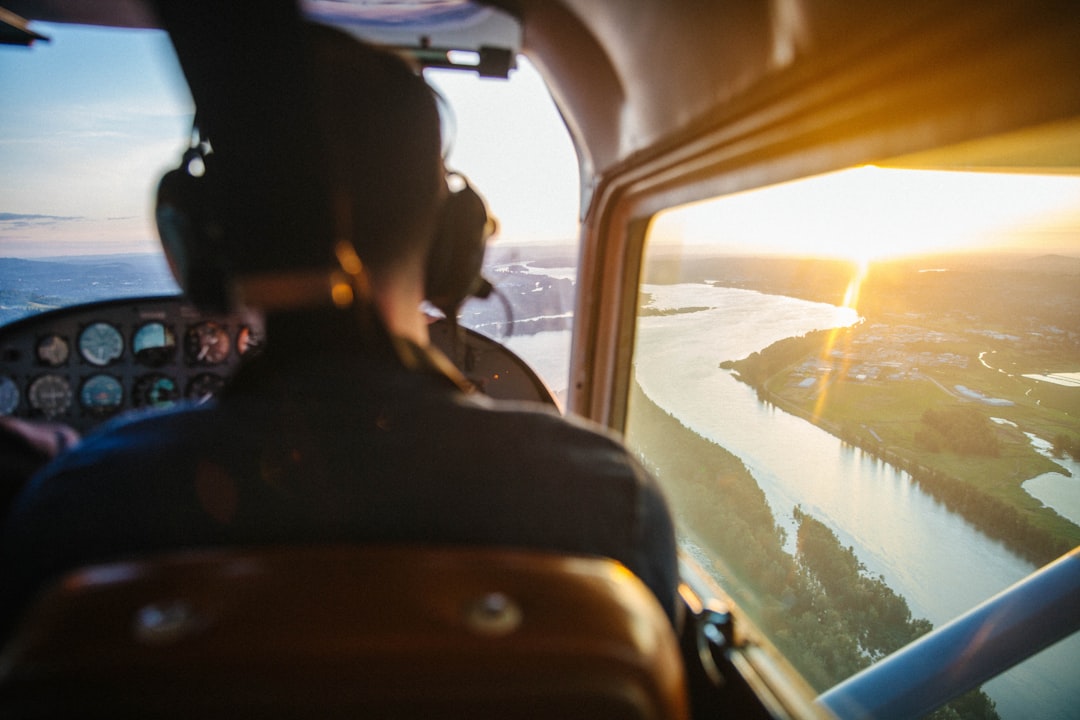
Most of the people that have been flying aircrafts have been complaining that their aircrafts tended to resist touchdown during landing. They said that it felt like the plane just wanted to move on even after its speed was reduced. Physics has shed some light to this phenomenon after making some discoveries and studies about it. This article discusses some of the discoveries made by the professionals when it comes to this phenomenon.
This phenomenon has been studied by a number of professionals and lecturers from big universities and they all have come to one agreement about some of the things that result from the ground effect. This phenomenon was studied by many physics professionals and they came up with an explanation of what happens to the plane so that it tends to ‘refuse’ to go lower during touchdown. Ground effect is formed when the plane traps some air between its wings during the flight. Air is also trapped on the landing surface in such a way that it tends to form a cushion made up of air. Most of the changes that occur are observed when the aircraft is above the ground or on the surface of water.
The changes are explained by the observed changes on the 3D flow of air all around the flying plane. The surface of the plane also limits the flow of air. Both the upwash and downwash of the wing are interfered with by the surface of the plane. Therefore, the only time when the ground effect is observed is an interference exists between the ground and the wings of the aircraft. Some of the things that determine the ground effect is its closeness to the ground and some of the characteristics of the wings that are related to the flow of air around the plane.
Upwash and downwash of the wing are reduced when the ground effect is present. The aircraft is usually lifted up as a result of the acceleration of a huge amount of air downwards. In addition, in order for the plane to continue flying upward, the pressure above the plane pane is altered and the air below the plane pushes is upwards and therefore the plane continues to fly at higher altitudes. Nevertheless, the biggest determinant of whether the plane will move upwards is the amount of air that is pushed downwards by the plane when it is taking off. Among some of the things that are actually altered by the ground effect include the thrust of the plane versus its velocity. It also reduces the induced drag something that reduces the thrust.